Rotary Club Members Learn About NFHW’s 25-Year Journey in Community Health Promotion
On 10 June 2026, the National Forum for Health and Wellbeing (NFHW) added another significant milestone to its growing international profile when its pioneering Health Mela initiative was showcased to members of the North Scarborough Rotary Club in Scarborough, Toronto, Canada.
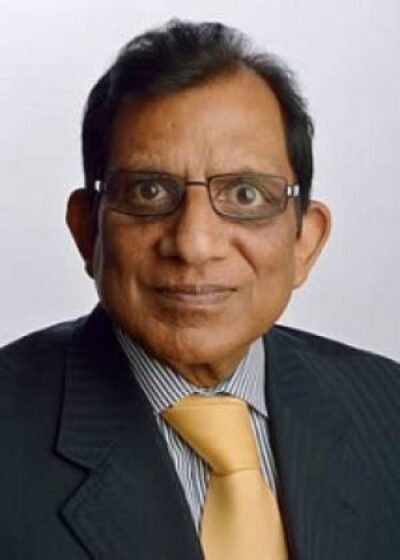
The invitation was extended to Professor Romesh Gupta, Chairman of NFHW, by the North Scarborough Rotary Club as part of its weekly meeting programme. Rotary International has enjoyed a longstanding partnership with NFHW, united by a shared commitment to community engagement, health promotion, and public service. It was therefore fitting that Professor Gupta, a lifelong Rotarian and recipient of Rotary International’s prestigious Paul Harris Fellowship, together with Dr Abhay Vaidya, a former Rotarian and longstanding NFHW member, accepted the invitation to address the club via video conference.
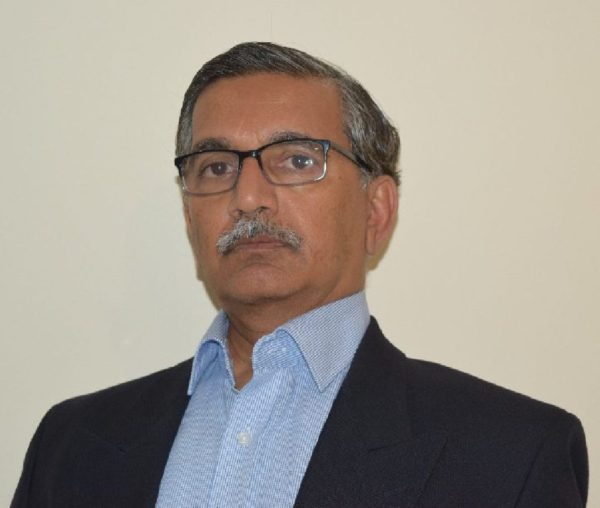
The meeting commenced with a warm welcome from North Scarborough Rotary Club President, Rotarian Danny Cassidy. Rotarian Suresh Agarwal then introduced the guest speakers and highlighted their extensive contributions to community health and wellbeing.
Professor Gupta delivered an insightful presentation outlining the origins and development of the Health Mela concept. He described the significant health inequalities experienced by Black, Asian and Minority Ethnic (BAME) communities, particularly South Asians living in Preston and the surrounding areas. These communities experience a disproportionately high prevalence of conditions such as diabetes mellitus, cardiovascular disease, chronic kidney disease, hypertension, obesity, and falls-related injuries. He also highlighted the barriers many community members faced in accessing healthcare services, including language difficulties, cultural factors, dependence on family members, and limited awareness among healthcare professionals of the specific needs of minority ethnic populations during the early years of the initiative.
Professor Gupta added that although the project was established more than 25 years ago to address health inequalities among ethnic minority communities, its objectives remain highly relevant today, as ageing populations continue to place increasing pressure on healthcare systems managing long-term conditions.
He explained how support from community leaders at the newly established Gujarat Hindu Society Community Centre enabled the launch of a series of health awareness seminars more than 25 years ago. These initiatives eventually led to the formation of the Lancashire Gujarat Health Users Forum (LGHUF), from which the innovative Health Mela model emerged. He traced the remarkable evolution of Health Mela from a local community project into a nationally recognised health promotion programme delivered in partnership with numerous organisations across the United Kingdom and beyond.
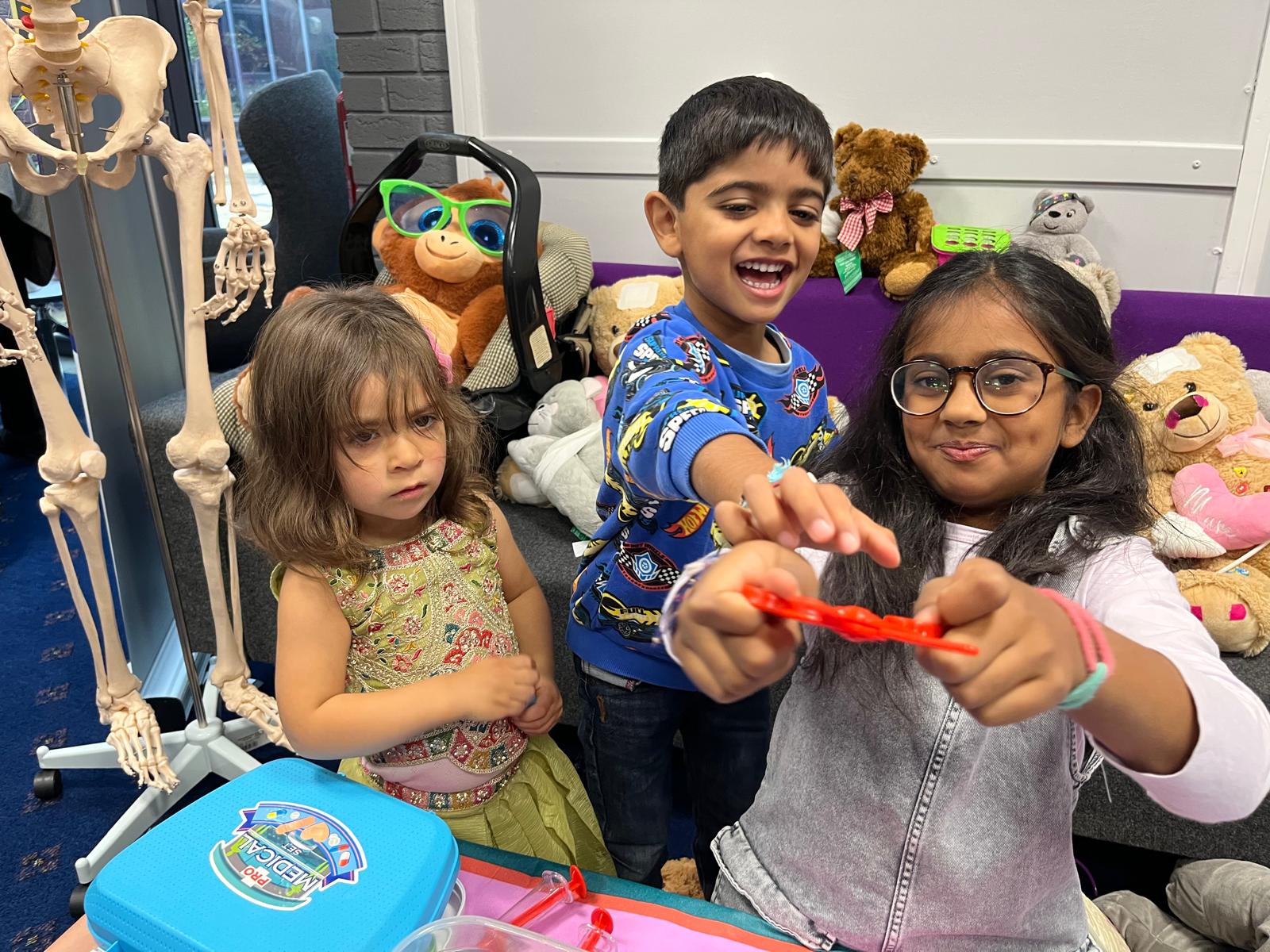
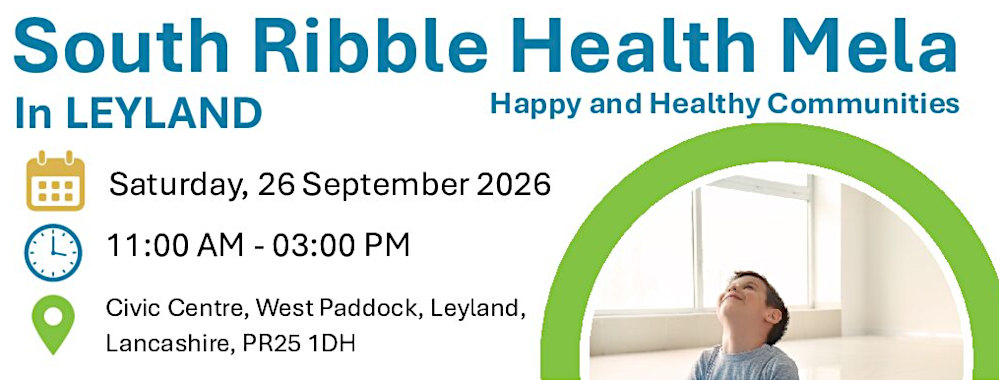
Dr Abhay Vaidya followed with a vibrant pictorial presentation illustrating a typical Health Mela event. He highlighted the importance of the popular breakfast networking sessions, health information displays, and educational exhibits that provide community members with access to information on disease prevention, healthy lifestyles, and healthcare services.
He explained how Health Melas bring together a wide range of stakeholders, including NHS organisations, local authorities, charities, voluntary organisations, educational institutions, and healthcare professionals. Particular emphasis was placed on the role of universities and professional colleges, whose healthcare students, under professional supervision, participate in Health MOTs and screening activities alongside volunteers and staff from the Blood Drop team.
Dr Vaidya also introduced delegates to the innovative “Laboratory Anywhere” model, explaining how data collected through community-based screening projects contributes to scientific research, leading to publications in respected journals and presentations at national and international conferences.
Emphasising the importance of holistic healthcare, Dr Vaidya discussed the role of complementary therapies such as Reiki, Yoga, Tai Chi, and head massage in supporting physical, mental, and emotional wellbeing. He noted that integrating such approaches can contribute positively to overall health outcomes and community wellbeing.
The presentations were followed by a lively and interactive question-and-answer session. Members of the North Scarborough Rotary Club expressed considerable interest in the practical aspects of organising a Health Mela, raising questions about funding, insurance arrangements, volunteer recruitment and management, partnership development, and the long-term sustainability of the programme.
The meeting concluded on a highly positive note, with President Rotarian Danny Cassidy expressing his appreciation to both speakers for delivering an informative and inspiring presentation. Members praised the Health Mela model as an outstanding example of community-led health promotion and expressed admiration for the achievements of NFHW over the past quarter-century.
The event further strengthened the longstanding relationship between Rotary and NFHW while introducing the Health Mela concept to a wider international audience. It also highlighted the growing global interest in innovative approaches to reducing health inequalities and empowering communities to take greater ownership of their health and wellbeing.